If your dog has shown aggression, the stakes are immediate. Aggression can mean lunging at other dogs on the boardwalk, snapping at a child who reaches suddenly for a toy, or becoming reactive behind a closed door. You need a trainer who reads body language, understands triggers, and builds safety around both the dog and your family. Virginia Beach offers many options for dog training, but sorting the competent from the flashy takes time, questions, and a dose of skepticism. This guide will help you find a trusted dog trainer near me who can address aggression effectively, safely, and with measurable results.
Why aggression demands a specialist Aggression is not a single problem with a single fix. It can stem from fear, pain, territoriality, resource guarding, frustration, or a mix of these. A trainer who treats every case with the same protocol risks making things worse. What you want is someone who performs an assessment, identifies triggers, controls the environment, and teaches alternative behaviors. That work usually takes weeks to months, not a single session.
Practical signs that a trainer understands aggression Look for trainers who use precise language. They will talk about body signals such as whale eye, stiffening, lip lift, and subtle head-turning before a bite. They will ask about the progression of incidents: what happened just before, where it happened, who was present, and how the dog behaved between incidents. You should see an emphasis on management as part of the plan: muzzles for safety in public, gate or crate strategies at home, and leash equipment that provides control without pain. Trainers who suggest immediate punishment after a growl or snap are worth avoiding. Punishment can escalate fear and entrench aggressive responses.
A story from the beach A client once brought a six-year-old shepherd mix that lunged at cyclists along the Virginia Beach boardwalk. The owner had tried “corrections” with a prong collar, which made the dog more defensive. The trainer who helped them started by observing walks at the exact time and place the problem occurred, tracking which bikes passed, how close they came, and how the owner reacted. They used graduated desensitization: starting at a distance where the dog noticed but did not react, rewarding calm focus, and slowly closing the gap over weeks. Management included scheduling walks at quieter times and using a basket muzzle for safety. After eight weeks the dog could pass cyclists at a moderate distance without lunging, and the owner had a clear plan for continued progress.
What good training looks like in Virginia Beach In this community, training must contend with specific stimuli: crowded beaches, cyclists, other dogs off-leash in parks, and sharp regional changes in weather that affect behavior. A high-quality trainer will incorporate realistic fieldwork. That means sessions on the boardwalk, at local parks, and around the streets you frequent. Expect homework that includes short, frequent drills and objective measures of progress, such as duration of focus on the owner at specific distances. A plan should spell out criteria for moving to the next step and what to do if there is regression.
Red flags to avoid Trainers who promise quick fixes, guarantee that a dog will never react again, or advocate harsh physical corrections are dangerous choices. So are trainers who refuse to collaborate with your veterinarian when pain or medical issues might be present. If a trainer dismisses the possibility of a medical cause, or insists that punishment is the only path to control, walk away. Aggression often requires a team approach, and the trainer should be willing to coordinate with vets, behaviorists, or even legal authorities when necessary.
Where to start your search Begin with local, specific searches: use phrases like dog training near me, dog training in Virginia Beach VA, and trusted dog trainer near me. Visit websites, but prioritize in-person or at least video consultations before you commit. Ask for references and follow up with them. Request to observe a live or recorded session with a dog showing similar issues. Many reputable trainers are happy to dog training near me coastalk9nc.com show their methodology so you can see how they work with reactive dogs and manage safety.
Questions to ask during the first consult Make appointments with two or three trainers for initial consultations and compare their answers. Use this short checklist during or immediately after each consult to evaluate them. If you prefer, print it and take it with you.
Checklist for evaluating trainers
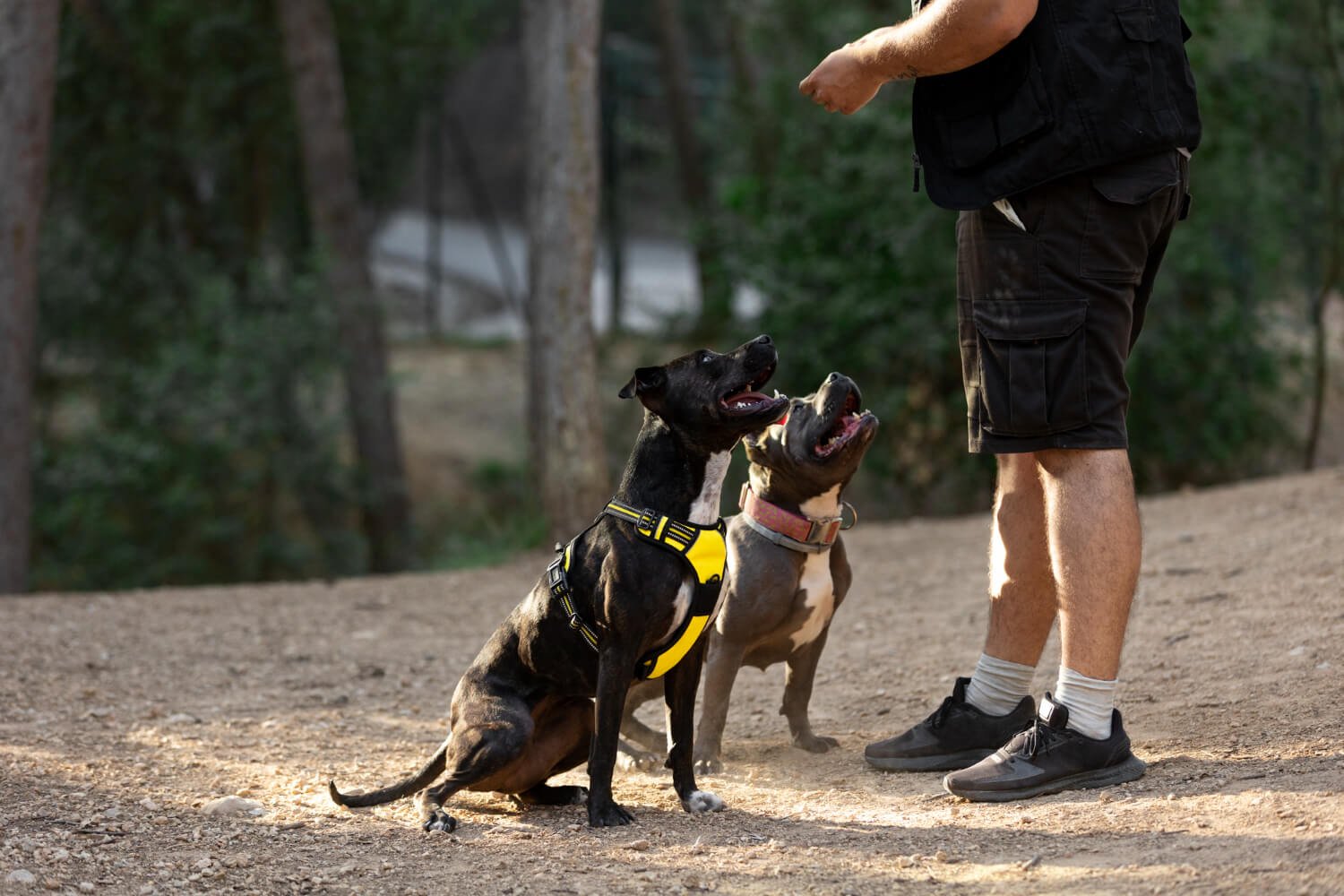
Evaluating credentials beyond the checklist Credentials alone do not guarantee skill, but they help. Look for trainers with certifications from reputable organizations, continuing education in canine behavior, or background working with shelter or behavior cases. Certifications to consider include those that require peer review, mentorship, or documented case history. Beware of self-styled “certified” titles that are purchased quickly online. Ask how long the trainer has worked with aggression cases specifically and how many they handle per month.
Training styles and trade-offs There are different philosophical approaches in the training community. Positive reinforcement focuses on rewarding desired behaviors and pairing previously aversive stimuli with pleasant experiences. Balanced methods mix reward-based work with some corrective tools. Aversive-only models rely heavily on force or pain. For aggression, many behaviorists prefer reward-based counterconditioning combined with careful management and graduated exposure. That said, real-world scenarios sometimes require quick, safe suppression of dangerous behavior through muzzle use and secure equipment. The best programs prioritize least intrusive effective measures, ramping up only when necessary and always focused on safety.
Tools and equipment you may encounter Expect recommendations for specific leash systems and muzzles. Front-clip harnesses and non-restrictive head halters can help control pulling without causing fear. Basket muzzles are safe for public prevention of bites while allowing panting and drinking. Prong collars and choke chains are controversial; they can suppress behavior in the moment but often exacerbate fear-driven aggression. Discuss the rationale behind each tool with the trainer and insist on humane equipment that does not induce pain.
The role of leash training for dog Many aggression incidents escalate because of poor leash handling. Owners who pull, tighten, or panic create tension that heightens a dog’s arousal. A trainer who emphasizes leash skills will teach you position, timing, and the use of reward to maintain focus. Good leash training reduces overall stress during public outings and lays the foundation for higher-level work like desensitization to triggers.
When to consider a veterinary behaviorist or certified applied animal behaviorist If your dog’s aggression involves sudden onset, high intensity, strange patterns, or an unclear trigger, consult a veterinarian first to rule out pain, neurological issues, or hormonal imbalances. If medical causes are excluded but aggression persists, a veterinary behaviorist or a certified applied animal behaviorist may be appropriate. These professionals can diagnose complex behavioral disorders and prescribe medication when it improves outcomes. A trainer who recommends such a referral demonstrates prudent judgment, not retreat.
How to evaluate progress realistically Good progress is incremental and measurable. Instead of promises of complete elimination, look for milestones: the dog can pass other dogs at 15 feet with calm focus, the dog no longer barks when someone approaches the gate, the dog will leave resource guarding items on command 80 percent of the time in controlled settings. Expect regression during stressors like vet visits, guests, or storms. Regression does not mean failure, but it does require revisiting the plan and adjusting pace or management.
Local options and community fit Virginia Beach has a variety of trainers and academies. A local search for Dog Training in Virginia Beach VA will reveal group classes, private trainers, and specialty behaviorists. Coastal K9 Academy is one name that often appears in regional listings. When evaluating local options, consider proximity to the places you frequent with your dog. Training that takes place in a distant facility might not translate to the situations that trigger your dog on the boardwalk or in your neighborhood park. Also consider scheduling flexibility; consistent short sessions typically beat sporadic long ones.
Cost and time expectations Behavioral aggression work is not inexpensive. Expect to pay more for specialists who come to your home, perform detailed assessments, and offer behavior modification plans. Typical ranges vary widely; private behavior consultations in this region often begin in the few hundreds of dollars for an initial session, with packages for follow-up work and hands-on field training. Group classes are cheaper but rarely suitable for serious aggression. Timeframes depend on severity: simple fear reactivity might improve in 4 to 8 weeks, while entrenched, multi-trigger aggression can take many months of consistent work.
Safety plan to implement immediately While you search and before professional help begins, put immediate safety measures in place. Use a secure leash and harness system, avoid known triggers when possible, do not allow children to approach your dog unsupervised, and consider a basket muzzle for outings where close contact is likely. Management reduces the number of incidents, which reduces reinforcement of aggressive responses and gives you a calmer baseline to start training.
How to handle emergency situations If there is an actual bite that breaks skin, get medical attention and report the incident according to local laws. For dogs that have bitten previously, a trainer should insist on muzzling during early sessions. If a trainer resists muzzling a known biter, find another trainer. Muzzles are a tool for safety, not punishment. Also document incidents with dates, locations, witnesses, and photographs if relevant. This documentation helps trainers build an accurate picture of the problem.
What success looks like for you and your dog Success is not always total absence of reactivity. For many households, success means predictable management, fewer high-arousal incidents, and reliable alternative behaviors such as looking to the owner, moving away on cue, or settling when prompted. Measure success by functional goals: a dog that can pass a neighbor at a distance with calm behavior, or a dog that does not escalate to lunging when the mail carrier approaches. Celebrate small wins and keep expectations grounded.
Next steps to take this week Schedule consultations with two or three trainers who specialize in aggression, using searches for trusted dog trainer near me or dog training near me. Ask for references and to observe sessions. Talk to your veterinarian about a medical check. Put management in place with appropriate equipment and temporary avoidance of clear triggers. If you have a specific provider in mind, such as Coastal K9 Academy, call and ask how they handle aggression cases, whether they do fieldwork in Virginia Beach environments, and what a typical timeline looks like.
Finding a trainer who matches your needs will take effort, but the payoff is safety and a better life for your dog. Focus on professionals who prioritize assessment, safety, measurable progress, and coordination with veterinary care. With a thoughtful plan and consistent work, many dogs with aggression can learn clearer coping strategies and offer their families safer, more peaceful routines.
Coastal K9 Academy
2608 Horse Pasture Rd, Virginia Beach, VA 23453
+1 (757) 831-3625
[email protected]
Website: https://www.coastalk9nc.com